| |
Antispasmodics and Antiemetics
|
Intestinal spasm and Vomiting
|
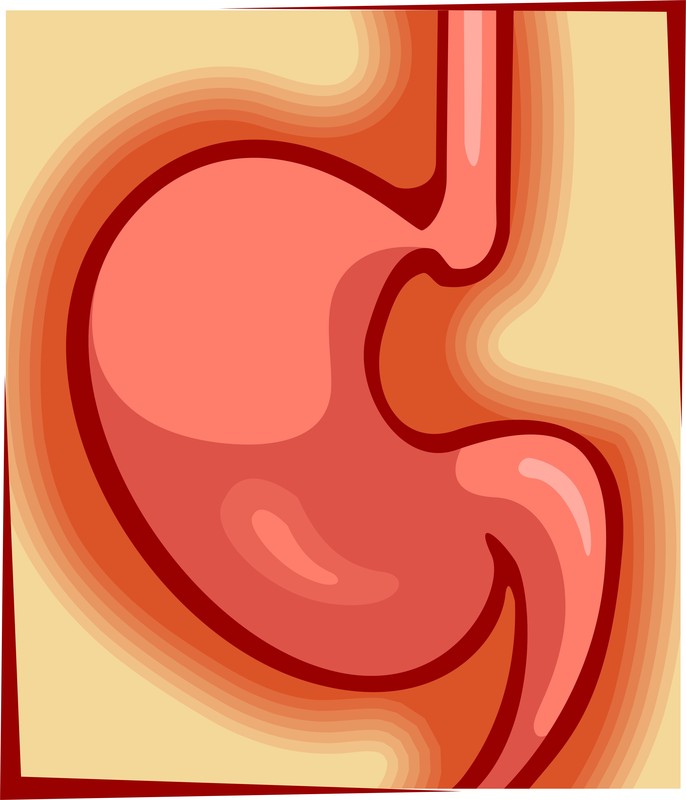
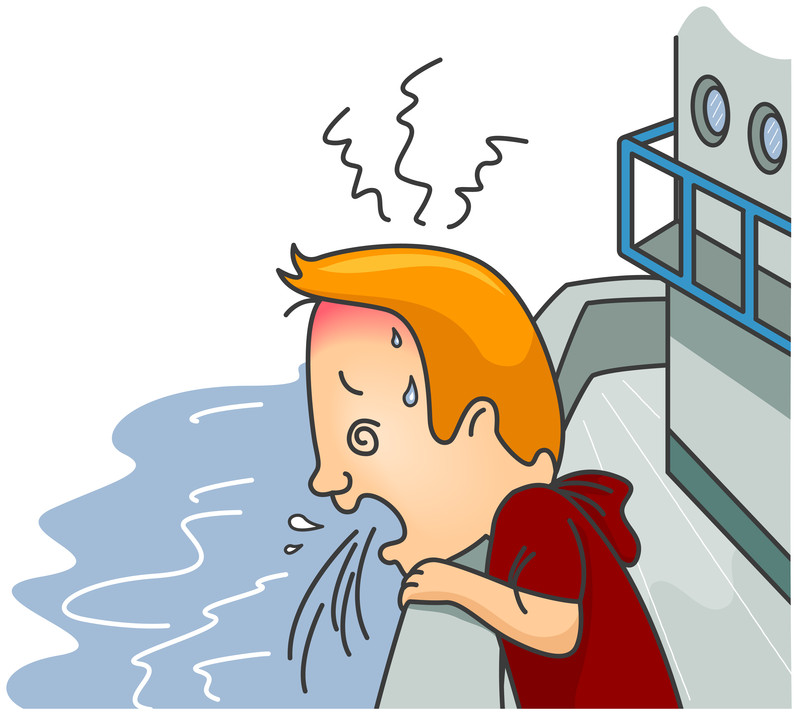
Intestinal spasm refers to the involuntary contraction of the smooth muscles in the intestines. This condition may be accompanied by symptoms such as bloating, abdominal pain, diarrhoea and constipation. Vomiting, known as emesis, is the forceful expulsion of the stomach’s contents through the mouth.
|
|
|
|
Intestinal spasm commonly occurs in conditions, such as gastroenteritis, food allergy, irritable bowel syndrome, and as a response to emotional stress. Vomiting is a common symptom associated with gastroenteritis, morning sickness of early pregnancy, food poisoning, motion sickness, migraine, vertigo, and can also be an adverse reaction to chemotherapy and anaesthesia. Severe vomiting may result in dehydration and electrolyte imbalance.
|
|
▲ back to top
Antispasmodics |
Antispasmodics are medications that help relax smooth muscles, thereby alleviating spasmodic pain. These medications can be classified into two main types:
- Smooth muscle relaxants (e.g. alverine and mebeverine)
- Anticholinergics (e.g. hyoscine)
|
Most commonly used antispasmodics are generally classified as pharmacy-only or prescription-only medicines and are available in various dosage forms, such as tablets, capsules, syrups, injections and patches.
|
|
▲ back to top
Common Side Effects and Precautions of Antispasmodics |
Types of antispasmodics*
|
Common side effects*
|
Precautions*
|
|
1. Smooth muscle relaxants |
- Nausea
- Dyspnoea
- Headache
- Dizziness
- Pruritus and rash
|
- Should not be used in patients with paralytic ileus
|
|
2. Anticholinergics |
- Drowsiness
- Constipation
- Rapid/irregular heartbeat
- Urinary urgency and retention
- Blurred vision
- Dry mouth
- Flushing
- Headache
|
- Used with caution in children and elderly
- Use with caution in patients with gastro-oesophageal reflux disease, acute myocardial infarction, hypertension, hyperthyroidism, prostatic hyperplasia, and who are susceptible to angle-closure glaucoma
- Should not be used in patients with myasthenia gravis, pyloric stenosis, paralytic ileus, and angle-closure glaucoma
|
|
|
▲ back to top
General Advice on Taking Antiemetics*
|
- Antispasmodics are primarily for symptomatic relief and should not be considered a permanent cure, therefore, prolonged use should be avoided.
- Avoid driving or operating machinery if you experience drowsiness or blurred vision after taking the medicine.
|
|
▲ back to top
Antiemetics
|
Antiemetics are medications that act by inhibiting the receptor sites associated with emesis. Several classes of antiemetics are available, including:
- Anticholinergics (e.g. hyoscine)
- Antihistamines (e.g. promethazine and dimenhydrinate)
- Dopamine antagonists (e.g. metoclopramide, domperidone, and phenothiazines: prochlorperazine, chlorpromazine)
- 5HT3-receptor antagonists (e.g. ondansetron, granisetron, palonosetron)
- Neurokinin-1 receptor antagonists (e.g. aprepitant, fosaprepitant, netupitant)
The choice of antiemetics depends on the underlying cause of vomiting. For example, hyoscine or antihistamines are commonly used for motion sickness, while 5HT3-receptor antagonists and neurokinin-1 receptor antagonists are typically used in the management of vomiting in patients undergoing chemotherapy and postoperative vomiting.
Most commonly used antiemetics are generally classified as pharmacy-only or prescription-only medicines and are available in various dosage forms, such as tablets, capsules, syrups, injections, suppositories and patches.
|
|
|
|
▲ back to top
Common Side Effects and Precautions of Antiemetics |
Types of antiemetics*
|
Common side effects*
|
Precautions*
|
|
1. Anticholinergics |
- Drowsiness
- Constipation
- Rapid/irregular heartbeat
- Urinary urgency and retention
- Blurred vision
- Dry mouth
- Flushing
- Headache
|
- Used with caution in children and elderly
- Use with caution in patients with gastro-oesophageal reflux disease, acute myocardial infarction, hypertension, hyperthyroidism, prostatic hyperplasia, and who are susceptible to angle-closure glaucoma
- Should not be used in patients with myasthenia gravis, pyloric stenosis, paralytic ileus, and angle-closure glaucoma
|
|
2. Antihistamines |
- Drowsiness
- Headache
- Dry mouth
- Blurred vision
- Constipation
- Urinary difficulty and retention
- Dry nasal passages
|
- Used with caution in children and elderly
- Used with caution in patients with prostatic enlargement, urinary retention, and who are susceptible to angle-closure glaucoma
|
|
3. Dopamine antagonists (including phenothiazines) |
- Abnormal face and body movements
- Drowsiness
- Hyperprolactinaemia
- Headache
- Tremor
- Restlessness
- Sedation
|
For metoclopramide
- Use with caution in children, young adults and elderly
- Use with caution in patients with cardiac conduction disturbances and asthma
- Should not be used in patients with gastro-intestinal obstruction, perforation or haemorrhage, phaeochromocytoma, and epilepsy
- Should not be used during the first three to four days after gastrointestinal surgery
- Should only be prescribed for short-term use (up to 5 days)
For domperidone
- Use with caution in elderly
- Use is restricted to adults and adolescents 12 years of age and older and weighing 35kg or more
- Should not be used in patients with cardiac disease, moderate to severe hepatic impairment, gastro-intestinal haemorrhage, mechanical obstruction or perforation, significant electrolyte disturbances, prolactinoma, and patients who have known existing prolongation of cardiac conduction intervals
- Should be used at the lowest effective dose for the shortest duration, and should not normally be used for longer than one week
For phenothiazines
- Use with caution in children and elderly
- Use with caution in patients with cardiovascular disease, Parkinson’s disease, epilepsy, depression, myasthenia gravis, prostatic enlargement, and who are susceptible to angle-closure glaucoma
- Should not be used in patients with central nervous system depression and phaeochromocytoma
|
|
4. 5-HT3 receptor antagonists |
- Constipation
- Headache
- Flushing
- Local injection site reactions
|
- Use with caution in patients with subacute intestinal obstruction or who are susceptible to QT-interval prolongation
- Should not be used in patients with congenital long QT syndrome
|
| 5. | Neurokinin-1 receptor antagonists |
|
- Headache
- Dizziness
- Appetite decreased
- Gastrointestinal discomfort
- Constipation
- Dyspepsia
- Fatigue
- Hiccups
|
- Use with caution in patients with moderate to severe hepatic impairment
|
|
|
▲ back to top
General Advice on Taking Antiemetics*
|
- Antiemetics provide temporary symptomatic relief and do not address the underlying cause of nausea and vomiting, therefore, prolonged use should be avoided.
- Do not drive or operate machinery after taking antiemetics, as many of these medicines may cause drowsiness.
- Do not consume alcohol while taking antiemetics.
- After vomiting, refrain from solid food for a few hours and continue to take small sips of fluid frequently to prevent dehydration.
|
|
 |
|
▲ back to top
Communication with Your Doctor* |
-
Seek medical advice before taking antispasmodics or antiemetics, especially if you are pregnant or breastfeeding.
-
If your vomit is green or contains blood, please seek urgent medical consultation.
-
Seek immediate medical attention if vomiting lasts for more than 24 hours, or is accompanied by severe stomach pain or headache, or you are unable to keep down fluids for more than 12 hours.
|
|
 |
|
▲ back to top
Storage Guidelines
Antispasmodics and antiemetics should be stored in a cool and dry place. Do not refrigerate unless specified. Always keep medications out of reach and sight of children to prevent accidental ingestion.
|
|
|
|
* This information may not cover all possible side effects, precautions, or medical advice. Always consult your healthcare professional for guidance.
▲ back to top
|
Acknowledgement : The Drug Office would like to thank the Professional Development and Quality Assurance Service (PD&QA) for their valuable contribution to the preparation of this article.
|
|
|
|
|