PS_banner_01aPS_banner_01b
Print Page


Anti-Asthmatic Drugs


Preface

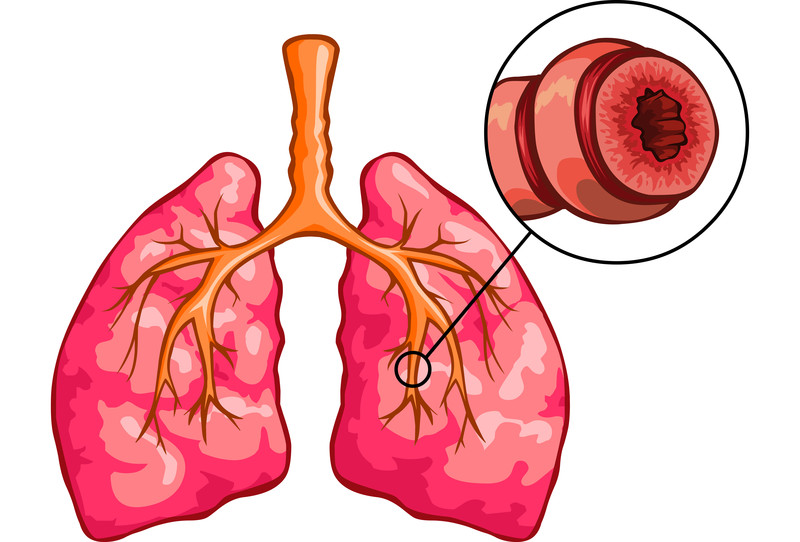
According to the World Health Organization (WHO), asthma is a chronic lung disease caused by inflammation and tightening of the muscles around the airways, making breathing difficult. Symptoms of asthma can vary widely among individuals and may include coughing, wheezing, chest tightness, and shortness of breath.

The exact cause of asthma remains unclear, however, several recognized risk factors and triggers include:

Environmental: Allergens (e.g., house dust mites, animal fur and pollen), occupational irritants, and tobacco smoke.

Family History: The likelihood of developing asthma increases if family members, particularly close relative such as parents or siblings, have a history of the condition.

Other Factors: Respiratory infections (particularly viral), strong emotions, certain medications (e.g. aspirin and beta blockers), and obesity.


back to top


Anti-Asthmatic Drugs*

Various classes of anti-asthmatic drugs are available, including beta2 agonists, antimuscarinics, corticosteroids, leukotriene receptor antagonists, xanthines, and biologics. In Hong Kong, most medications utilized for asthma treatment are prescription-only medicines, patients should strictly adhere to the prescribed treatment plan and should only be administered under the supervision of a healthcare professional. This ensures that patients receive appropriate guidance and monitoring throughout their treatment.

1. Beta2 agonists: These medications relax bronchial smooth muscle, leading to bronchodilation.
a.Short-acting inhaled beta2 agonists: These medications are quick-relief bronchodilators that act rapidly to alleviate symptoms during an asthma attack. Examples include salbutamol and terbutaline.
b.Long-acting beta2 agonists: These medications should not be used as monotherapy and are typically combined with inhaled corticosteriods. They are not suitable for acute symptomatic relief during an asthma attack. Examples include salmeterol, formoterol, indacaterol and vilanterol.
 
2. Antimuscarinics: These medications relax bronchial smooth muscle, leading to bronchodilation. Examples of inhaled antimuscarinics include tiotropium bromide and glycopyrronium bromide.
 
3. Corticosteroids:
a.Inhaled corticosteroids: These medications are the most commonly used prescribed “controller” medications for asthma, reducing airway inflammation and preventing narrowing of the airways. Examples include fluticasone, budesonide, ciclesonide, and mometasone.
b.Oral corticosteroids: These medications relieve airway inflammation associated with severe asthma. Due to the potential for serious side effects, oral corticosteroids are recommended only for short-term use during severe episodes. A common example is prednisolone.
 
4. Leukotriene receptor antagonists: These medications reduce airway inflammation and relax the muscles around the airways. A common example is montelukast.
 
5. Xanthines: These medications relax bronchial smooth muscle and dilate the airway. A common example is theophylline.
 
6. Biologics: Biologic medications used in the treatment of asthma work by targeting and blocking specific pathways that cause inflammation in severe asthma. Examples include dupilumab, mepolizumab, and omalizumab.
 

back to top


Common Side Effects and Precautions

Types of Anti-Asthmatic Drugs*
 
Common side effects*
 
Precautions*
 
1. Beta2 agonists
  • tremor (particularly in the hands)
  • Nervous tension
  • Headache
  • Muscle cramps
  • Palpitation
  • Dizziness
  • Hyperglycaemia
  • Keep a short-acting beta2 agonist inhaler accessible at all times for acute asthma attack
  • Should be used with caution in patients with hyperthyroidism, cardiovascular disease, arrhythmias, susceptibility to QT-interval prolongation, and hypertension
  • Should be used with caution in diabetic patients - monitor blood glucose may be required due to the risk of ketoacidosis and hyperglycaemia, especially when beta2 agonist is given intravenously
2. Antimuscarinics
  • Dry mouth
  • Constipation
  • Cough
  • Headache
  • Should be used with caution in patients with prostatic hyperplasia, bladder outflow obstruction, and those susceptible to angle-closure glaucoma
3. Corticosteroids
a. Inhaled corticosteroids
  • Fungal infection of the mouth or throat
  • May develop a hoarse voice
  • Dry mouth
  • Rinse your mouth with water after using corticosteroid inhalers.
b. Oral corticosteroids
  • osteoporosis
  • High blood pressure
  • Diabetes
  • Weight gain
  • Cataracts and glaucoma
  • Blurred vision
  • Mood altered
  • Oedema
  • Muscle weakness
  • Initial growth velocity may be reduced in children with systemic corticosteroid therapy
4. Leukotriene receptor antagonists
  • Abdominal pain
  • Cough
  • Diarrhoea
  • Fever
  • Headache
  • Nausea & vomiting
  • Upper respiratory tract infection
  • Should not be used for the treatment of acute asthma attacks
5. Xanthines
  • Nausea, vomiting
  • Gastric irritation
  • Diarrhoea
  • Palpitation
  • Arrhythmias
  • Headache
  • Insomnia
  • Should be used with caution in patients with heart failure, hepatic impairment, epilepsy, hypertension, and thyroid disorder
  • Should be used with caution in the elderly, smokers and alcoholics
6. Biologics
  • Injection site reactions (pain, redness, swelling, itching or burning at the injection site)
  • Upper respiratory tract infections
  • Headache
  • Fatigue
  • Muscle pain
 

back to top


General Advice on Taking Anti-Asthmatic Drugs*
  • It is crucial to strictly follow the prescribed dosage and administration instructions, and learn the correct techniques for using your asthma medication delivery devices from a healthcare professional to achieve optimal asthma control.

  • When prescribed both bronchodilator and corticosteroid inhaler, use the bronchodilator first to open the airways, followed by the corticosteroid for enhanced effectiveness.

  • Keep a short-acting beta2 agonist inhaler accessible at all times for acute asthma attack.

  • Rinse your mouth with water after using corticosteroid inhalers.

  • Avoid known asthma triggers such as air pollution, smoke, or pollen.


back to top


Communication with Your Doctor*
  • Seek medical advice regarding the optimal treatment option. Your doctor will prescribe the most suitable medications based on your condition and response to treatment.

  • If prescribed multiple medications, familiarize yourself with the purpose and usage of each preparation and consult your doctor with any questions.

  • Inform your doctor about your current medications and medical history as some medications may interact with your anti-asthmatic drugs and some medical conditions may require special precautionary measures.

  • Seek medical advice as soon as possible if you experience any side effects suspected to be related to the anti-asthmatic drugs that you are taking.

  • Have regular medical follow-ups as advised by your doctor.

  • Inform your doctor if you are pregnant, planning to become pregnant or breastfeeding.


back to top


Storage Guidelines

Anti-asthmatic drugs should be stored in a cool dry place. Do not refrigerate unless specified. Always keep medications out of reach and sight of children to prevent accidental ingestion.


* This information may not cover all possible side effects, precautions, or medical advice. Always consult your healthcare professional for guidance.
 

back to top


Acknowledgement: The Drug Office would like to thank the Professional Development and Quality Assurance Service (PD&QA) for their valuable contribution to the preparation of this article.


Drug Office
Department of Health
April 2026


back