| |
Peptic Ulcer Healing Drugs
|
|

|
Preface
|
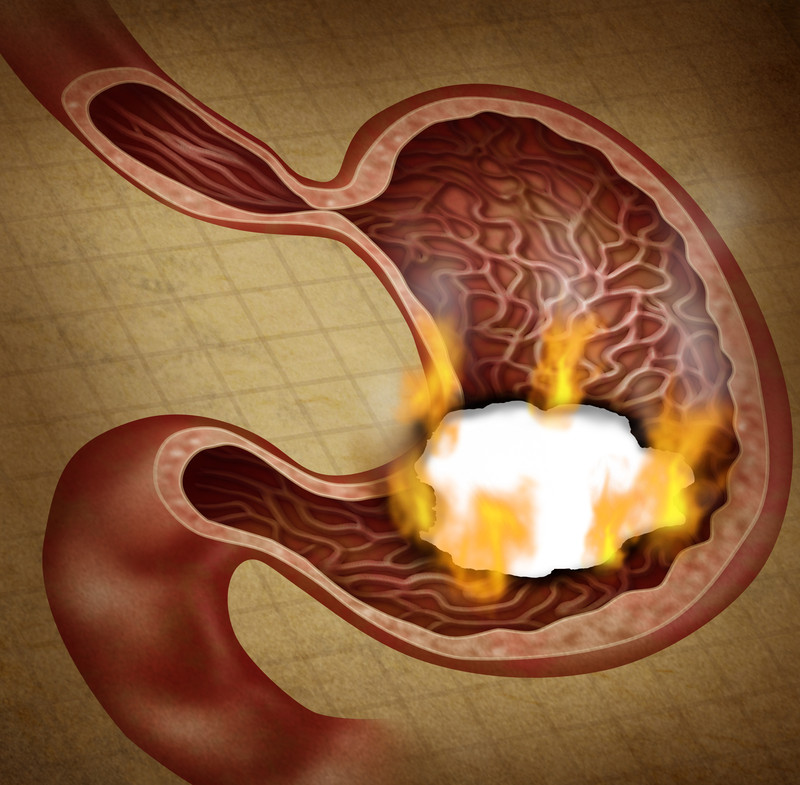
Peptic ulcers are open sores that develop on the inside lining of the stomach (gastric ulcer) or the upper part of the small intestine (duodenal ulcer). The digestive tract is normally coated with a mucous lining that protects against gastric acid. When there is an increase in acid production or a decrease in mucus production, allowing acid to erode the inner surface of the digestive tract and form a painful open sore. Patients may develop complications such as bleeding, obstruction, or perforation.
|
|
 |
|
The most common symptom of a peptic ulcer is upper abdominal pain. Other symptoms may include indigestion, heartburn, nausea, vomiting, loss of appetite, and unexplained weight loss. When there is bleeding from the peptic ulcer, the patient may have coffee-ground vomitus and/or black tarry stool.
|
|
Common causes of peptic ulcer include infection with Helicobacter pylori (H. pylori) bacteria or regular use of non-steroidal anti-inflammatory drugs (NSAIDs), a type of painkiller. Additionally, several factors may increase the risk of developing peptic ulcers, such as smoking, alcohol abuse, and stress.
|
|
▲ back to top
Treatment |
Lifestyle advice
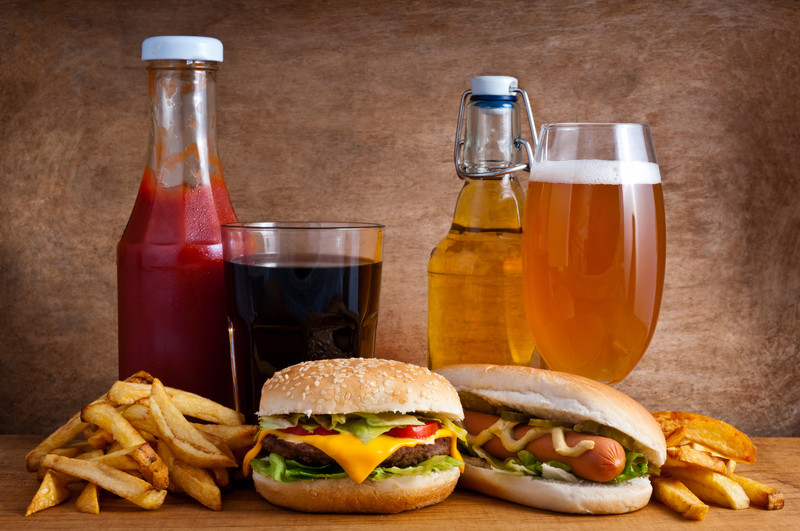
Lifestyle factors, including diet and stress, may worsen ulcer symptoms. On the contrary, a healthy lifestyle and good dietary habits may help accelerate ulcer healing. Recommendations include:
- Consuming small, frequent meals;
- Avoid spicy foods that may irritate the gastrointestinal tract;
- Refraining from smoking and avoiding or reducing the consumption of alcoholic and stimulating beverages, such as coffee and strong tea; and
- Manage stress effectively.
|
|
|
|
▲ back to top
|
Peptic Ulcer Healing Drugs
In general, the treatment of peptic ulcers mainly depends on the underlying cause. Medications used for treating peptic ulcers include antibiotics, proton pump inhibitors (PPIs), histamine-2 receptor antagonists, antacids, mucosal protectants, and potassium-competitive acid blockers (P-CABs).
|
|
1. Antibiotics
For peptic ulcers caused by H. pylori infection, eradication therapy involves a combination of antibiotics and a proton pump inhibitor (PPI). The presence of H. pylori should usually be confirmed before initiating eradication therapy. It is essential to complete the full course of H. pylori eradication therapy as prescribed by your doctor, even if your symptoms improve. Commonly used antibiotics include amoxicillin, clarithromycin, metronidazole and tetracycline.
|
|
 |
|
2. Proton Pump Inhibitors (PPIs)
Proton Pump Inhibitors (PPIs) directly suppress gastric acid production by blocking the proton pumps of the gastric parietal cell that is responsible for acid secretion, and thereby promoting the ulcer healing. Their acid-suppressing effect is stronger than that of histamine-2 receptor antagonists. Examples of PPIs include omeprazole, lansoprazole, rabeprazole, and esomeprazole.
|
|
3. Histamine-2 Receptor Antagonists
Histamine-2 receptor antagonists suppress gastric acid secretion by blocking histamine H-2 receptors on gastric parietal cells. A common example of histamine-2 receptor antagonist is famotidine.
|
|
4. Antacids
Antacids cannot heal ulcers, but they neutralise existing stomach acid, thereby providing short-term relief of ulcer symptoms, such as heartburn and indigestion. Antacids may be used for short-term symptomatic relief, long-term continuous use is not recommended. Common examples include aluminium hydroxide, magnesium trisilicate, calcium carbonate and sodium bicarbonate.
|
|
5. Mucosal Protectants
Mucosal protectants help protect and strengthen the mucosal lining of the stomach. Common examples include misoprostol and sucralfate.
|
|
6. Potassium-Competitive Acid Blockers (P-CABs)
Potassium-competitive acid blockers (P-CABs), such as vonoprazan, represent a newer class of acid-suppressing medications. They inhibit gastric acid production by competitively blocking the binding of potassium ions to the enzyme system of hydrogen/potassium adenosine triphosphatase (H+/K+ATPase).
|
|
▲ back to top
Common Side Effects and Precautions of Peptic Ulcer Healing Drugs: |
Types of Drugs*
|
Common side effects*
|
Precautions*
|
|
1. Antibiotics |
- Gastrointestinal discomfort such as abdominal pain, diarrhoea, indigestion, nausea and vomiting
- Headache
|
- It is essential to complete the full course of treatment as directed by your doctor, even if your symptoms improve.
|
|
2. Proton pump inhibitors (PPIs) |
- Gastrointestinal discomfort such as nausea, vomiting, diarrhoea and constipation
- Headache
- Rash
- Dizziness
- Fatigue
- Dry mouth
- Insomnia
|
- Use with caution in patients with hepatic impairment
- PPIs therapy may be associated with an increased risk for osteoporosis-related fractures of the hip, wrist or spine.
- Treatment with proton pump inhibitors may lead to slightly increased risk of gastrointestinal infections, including Clostridium difficile infection
- Hypomagnesemia, symptomatic and asymptomatic, has been reported rarely in patients treated with PPIs for at least three months, in most cases after a year of therapy
|
|
3. Histamine-2 receptor antagonists |
- Diarrhoea
- Dizziness
- Tiredness
- Headache
- Rashes
|
|
|
4. Antacids |
- Aluminium salts tend to produce constipation, while magnesium salts tend to cause diarrhoea
|
- Antacids are usually available as chewable tablets or liquid form. Chewable tablets should be chewed before use, while liquid antacids should be shaken well before use
- Avoid use of sodium bicarbonate in patients who must control sodium intake (e.g. in patients with heart failure, hypertension, or renal failure)
|
|
5. Mucosal protectants
|
|
Misoprostol
|
- Diarrhoea
- Other gastrointestinal discomfort such as abdominal pain, dyspepsia, flatulence, and nausea and vomiting
- Rash
- Headache
- Dizziness
|
- Avoid use during pregnancy and in those who plan to become pregnant
- Use with caution in patients with inflammatory bowel disease
|
|
Sucralfate
|
- Constipation
- Other gastrointestinal discomfort such as diarrhoea, nausea, indigestion, flatulence
- Dizziness
- Headache
|
- Use with caution in patients with renal impairment
|
|
6. Potassium-competitive acid blockers (P-CABs) |
- Diarrhoea
- Nausea
- Constipation
- Indigestion
- Abdominal pain
- Headache
|
- Use with caution in patients with renal or hepatic impairment
- Hepatic function abnormalities including liver injury have been reported in clinical studies. Post marketing reports have also been received in patients treated with vonoprazan, many of which occurred shortly after initiation of treatment.
- Vonoprazan may be associated with an increased risk of gastrointestinal infection caused by Clostridium difficile
- Bone fractures, including osteoporosis-related fracture, have been reported with vonoprazan
|
|
|
▲ back to top
General Advice on Taking Peptic Ulcer Healing Drugs*
|
- Multiple factors may affect ulcer healing. Adopting a healthy lifestyle and good dietary habits can help accelerate the healing process.
- Patients should adhere to the prescribed treatment regimen.
- Be familiar with the names and dosages of the drugs you are taking, and be aware of their potential side effects. If side effects persist, consult your doctor for advice.
- If symptoms persist despite treatment, discuss with your doctor to determine appropriate alternative treatment options.
|
|
 |
|
▲ back to top
Communication with Your Doctor* |
-
It is important to consult your doctor to determine the best treatment option for you. Your doctor will prescribe the most appropriate medication based on your clinical condition and response to treatment.
-
Inform your doctor about your current medications and medical history, as some medications may interact with your peptic ulcer drugs, and certain medical conditions may require special precautionary measures.
-
Seek medical advice as soon as possible if you experience any side effects suspected to be related to your peptic ulcer drugs.
|
|

|
|
▲ back to top
Storage Guidelines
Peptic ulcer drugs should be stored in a cool dry place. Do not refrigerate unless specified. Always keep medications out of reach and sight of children to prevent accidental ingestion.
|
|
|
|
▲ back to top
* This information may not cover all possible side effects, precautions, or medical advice. Always consult your healthcare professional for guidance.
▲ back to top
| Acknowledgement: The Drug Office would like to thank the Professional Development and Quality Assurance Service (PD&QA) and the Centre for Health Protection (CHP) for their valuable contribution to the preparation of this article. |
|